

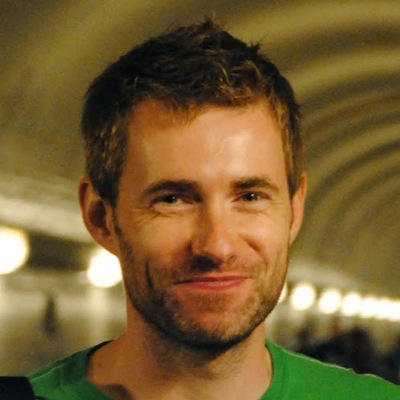
Anders Lybecker
Principal Architect, Microsoft
Copenhagen, Denmark
Actions
Anders Lybecker is a Principal Architect at Microsoft. He has over 20+ years of experience as an architect and has worked with some of the biggest accounts at Microsoft such as VW, WHO, Vestas, NHS, Nokia… He is a former Pricipal Engineering Manager, Global Black Belt IoT specialist and Technical Evangelist at Microsoft.
Anders specializes in digital transformation through cloud technologies, AI, software, and process optimization. His passion is sustainability through green software saving the world one system at a time.
Area of Expertise
Topics
From Code Scarcity to Code Abundance: Rethinking Software Engineering in the Age of AI
AI has dramatically reduced the cost of writing code, but it has not made software delivery easier. Engineering leaders and architects are now facing a new reality: teams can generate significantly more code than before, yet system quality, coherence, and shared understanding are increasingly difficult to maintain.
In this session, I will discuss how AI is being used in software development inside Microsoft engineering teams for code generation, refactoring, and exploration. While these capabilities unlock productivity, they also shift the primary bottleneck from writing code to owning and governing systems. This creates new challenges: fragmented implementations, inconsistent design patterns, reduced reuse, and a growing gap between output and quality.
This session is grounded in real-world experiences and ongoing internal discussions. I will not present AI adoption as a solved problem. Instead, I will share what is working, where we are struggling, and how teams are adapting their engineering practices in response.
I will address critical questions for modern engineering organizations:
- Is traditional planning still relevant when implementation becomes cheap?
- How do we ensure quality when code volume increases dramatically?
- How do teams maintain shared learning and architectural alignment?
The Age of AI is an evolution, and a major transformation is underway across large organizations. Don’t expect anyone to have all the answers yet; I certainly won’t. What I can offer is an honest view of what we’re learning as we go.
This talk is designed for engineering leaders, software architects, and experienced engineers navigating the next phase of software development.
The future & challenges of cloud
This opinionated talk will delve into the insights and innovations that are shaping the future of Cloud Computing. It will cover a range of topics including cloud architectures, data gravity, multi-cloud strategies, security, compliance, and the future of AI & Cloud. The session will highlight emerging trends such as AI-native cloud platforms, serverless 2.0, and composable cloud architectures, while also addressing the challenges of multi-cloud workloads, vendor lock-in, and balancing performance with cost efficiency. It will discuss the impact of data gravity on cloud strategies and the importance of standardization. Security and compliance will be another focal point, with insights into AI-powered cyberattacks, zero trust adoption, and the role of Cloud Security Posture Management (CSPM) tools. Finally, it will look ahead to the future of AI & Cloud, examining hardware innovations, the move to higher-level services, and the rise of no-code, low-code, and AI-assisted coding platforms. This session promises to provide valuable knowledge for anyone looking to navigate the rapidly changing landscape of cloud computing
Carbon-Aware Computing: Measuring and Reducing the Carbon Intensity of Software
In today's world, software technologies have become an integral part of our lives. However, the rapid growth in software technologies and democratization through cloud services has provided organizations with unprecedented access to computational power, which could incur high energy usage and associated emissions costs. To accelerate our technological progress in a sustainable manner, software itself needs the ability to measure and reduce its impact on carbon emissions. This presentation will introduce the concept of carbon-aware computing and discuss how it can you design solution to lower the carbon footprint. By attending this presentation, you will gain a better understanding of how to make your organization's software stack more environmentally friendly while still maintaining its functionality and performance.
Objectives
- Explain the principals of green software
- Analyze carbon emissions impact of technology choices
- Design solutions for greener compute
- Identity areas with large carbon impact or quick wins
- To provide examples of companies that have successfully implemented carbon-aware computing practices and reduced their carbon footprint.
Please note that Sessionize is not responsible for the accuracy or validity of the data provided by speakers. If you suspect this profile to be fake or spam, please let us know.
Jump to top