
Evelien Roos
Professional Knowledge Sharer
Helmond, The Netherlands
Actions
Evelien works at the intersection of two urgent challenges in tech: helping Agile teams integrate AI responsibly, and equipping product teams to detect and address gender bias in the systems they build.
She is a Professional Knowledge Sharer at Xebia Academy, Scrum.org PST, and certified Training from the Back of the Room Trainer with 15+ years coaching and training teams at organizations like Rabobank, Philips, Essent, and Unilever. She designs learning experiences that are practical, hands-on, and grounded in what teams actually face.
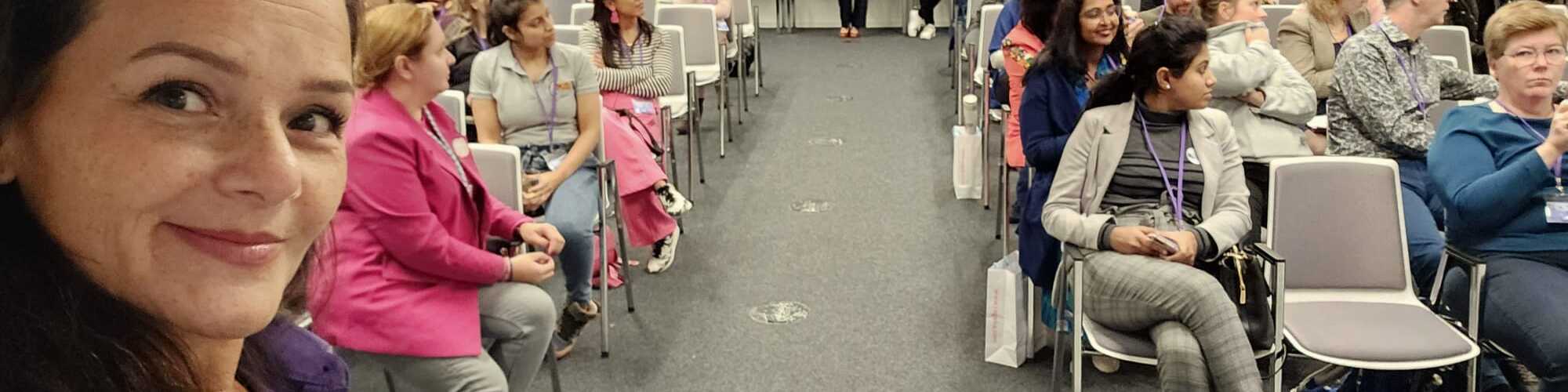
Evelien co-created the Road2Mastery, wrote the Scrum Master Playbook, and organizes Women in Agile Europe. She is currently writing a book on gender bias in AI.
Area of Expertise
Topics
Unleashing the Power Within: Empowering Women in Business
In a world where technology constantly evolves, empowering and supporting women in business is crucial. This conference talk aims to inspire and equip women with essential strategies to thrive in their careers. By exploring the themes of community, networking, continuous learning, visibility, and embracing uniqueness, attendees will be encouraged to embrace their role as the new frontier in tech. Through practical tips, inspiring anecdotes, and actionable insights, this talk will empower women in tech to unlock their full potential and shape the industry's future.
Build your own AI agent; designing responsible AI collaborators
Repetitive, routine, boring?
If this describes your daily work, this workshop is for you! As a Product Owner, Scrum Master, or Agile Leader, chances are you spend too much time on tasks that could be automated. AI can automate user story writing, inbox management, reporting, or JIRA administration, freeing up your time so you can focus on product vision, strategy, team development, and true leadership.
In this interactive session, we’ll dive into your workflows, identify what AI can handle, and explore where human involvement truly matters. Walk away with practical examples, inspiration, and your first AI-enhanced workflow design.
What to bring:
Laptop (one per group of 2-3 is fine)
Access to ChatGPT, Claude, or similar (free accounts work!)
You'll work in groups of 2-3, share a laptop, learn together.
Tackling gender bias in AI with your Product Teams
AI is shaping your product, often in ways you don’t see. In this session, you’ll explore how gender bias enters product decisions, and you will walk away with practical tools your team can use to detect and reduce bias from Sprint to release.
AI is rapidly shaping how we design, build, and deliver products, yet many of these systems are trained on biased data that can reinforce outdated assumptions and exclude entire user groups. From voice assistants that fail to understand women to health apps that miss female symptoms, gender bias in AI is not a future problem; it’s happening now.
In this interactive session, we explore how Agile teams can take ownership of ethical product development by identifying and addressing bias early. Drawing from real product examples and insights from her Global Scrum Gathering 2025 talk, she shows how product decisions, not just algorithms, create exclusion, and how inclusive practices can be embedded into team rituals like persona creation, refinement, and sprint reviews.
This talk offers practical tools, reflection prompts, and team-based action steps that help translate awareness into real change, because building inclusive products doesn’t start with code; it starts with the questions your team asks every day.
Fostering happiness in Agile Teams: A neurochemical perspective.
Join me for this session, 'Fostering happiness in Agile Teams,' where we will explore the neurochemistry of (un)happiness through insights into happiness chemicals.
Discover practical strategies to unleash endorphin, dopamine, serotonin, and oxytocin in your team, enhancing collaboration, satisfaction, and performance. This interactive session will explain how these chemical drivers can help you create a thriving Agile environment, empowering your team and making them happier.
Building Trust with Your Teams: The Foundation of High-Performing Teams
Trust is the foundation of high-performing teams. Trust is not just a vague concept; it has a profound neurological basis that affects team dynamics, productivity, and collaboration. Join us for an interactive session where we delve into the fascinating world of trust, guided by the insights of renowned experts like Paul J. Zak and the authors of "The Trusted Advisor."
Trust is more than just a warm and fuzzy feeling—it's a neurochemical reality. This engaging conference talk will explore the science behind trust and its crucial role in nurturing high-performing teams. The session will draw from the groundbreaking research of Paul J. Zak, who researched the role of oxytocin, often called the "trust hormone," in fostering trust within organizations.
Unmasking the secrets of powerful facilitation - Discover the Science Behind Personal Engagement
Join me in a deeper layer of powerful facilitation and discover the science behind effective formats and structures. Dive into the reasons supported by scientific evidence and explore their impact on communication, collaboration, and personal engagement. This interactive session empowers you to develop practical strategies for effective facilitation.
Unlock the secrets to powerful facilitation, maximizing personal engagement along the way!
Power of Personal Engagement - practises to engage your participants based on neuroscience
Join us at our workshop as we delve into the secrets of a thriving team. Discover how to enhance the effectiveness of your Scrum team through the power of personal engagement. Learn about the scientific principles and practical tools that drive team growth and success.
In this interactive session, you'll gain valuable insights into non-verbal communication and how it can enhance your impact. We'll also share the latest brain science research inspired by 'Training from the Back of the Room' and more recent research and how it can help you improve your engagement with your team.
Expect a hands-on workshop with engaging exercises that will give you practical tools to increase your team's engagement.
Using neuroscience in your Scrum Events to make them more engaging
Inspired by Sharon Bowmans’ Training From the Back of the Room's 6 trumps, this session will explore how Brain Science can keep Scrum Events live, active, and worthwhile.
To get the most out of the Scrum Events, I tried a lot of things. I experimented with formats and setups, did Facilitator training, and looked for interesting games and Sprint Retrospective formats. But I never looked further than that—until I did the Training From the Back of the Room and was intrigued by how the brain works in a training and learning setting.
Learning more about the human brain, I figured out that one could also use Brain Science to keep Scrum Events alive and worthwhile. For example, research shows that our brain 'disconnects' after 10 minutes when nothing changes. In a training setting, you would use this knowledge to change the setting regularly or to make short exercises or chunks of information. In a Scrum event, you could also use this knowledge.
How? That's what we will explore during this session.
In this session, you will learn about neuroscience and how to use it to activate your brain and make your Scrum Events alive and active. Bring your Brain!
Evelien Roos
Professional Knowledge Sharer
Helmond, The Netherlands
Actions
Please note that Sessionize is not responsible for the accuracy or validity of the data provided by speakers. If you suspect this profile to be fake or spam, please let us know.
Jump to top