
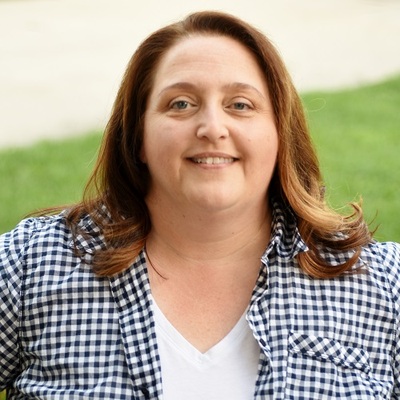
Faye Thompson
Director, Delivery Enablement, StarSevenSix
Actions
With more than thirty years of project delivery experience, Faye Thompson serves as a consultant coach, product manager and scrum master. With a focus on an agile mindset and continuous improvement, Faye has had a positive impact in the financial services, healthcare, advertising, marketing, automotive, retail and aviation industries. Passionate about using innovative solutions to drive business value, she trains, mentors and coaches and workgroups as they transform themselves into highly engaged and energized teams.
Faye also enjoys serving on the board of directors for the Central Ohio Agile Association, on the Core Program Committee of the Women in Agile Launching New Voices initiative, and as President of the Women in STEMM Alumni Society of The Ohio State University. She spends her free time volunteering as an emergency medical responder and public affairs coordinator for the American Red Cross.
Links
Area of Expertise
Articulating Value to Stakeholders
Many of us participate in periodic reviews of the work that our development teams have completed in the form of a sprint review. Sometimes it can seem difficult to articulate the value that has been delivered when that work product doesn't seem 'flashy' or 'exciting'. Too often, this prompts us to fall back to into old patterns of status review. Join us as we examine some different ways to represent value, while getting the feedback we need to adjust and inform our work going forward.
Beyond the Code: Systems Thinking and Influence for Software Engineers
The most influential engineers are not necessarily the ones who write the best code -- they are the ones who understand how technology, people, culture, and organizational structures interact to create outcomes.
Software developers and engineers are trained to solve complex technical problems, yet many of the challenges that determine project success are not technical at all. Architecture decisions stall despite clear benefits. Modernization efforts create unexpected resistance. Teams continue accumulating technical debt even when everyone recognizes the problem.
What if the real issue isn't the technology, but an incomplete view of the system?
This session introduces the Integral Model, a practical framework for expanding systems thinking beyond software and architecture into the human and organizational dynamics that shape engineering outcomes. Participants will learn to analyze challenges through four interconnected dimensions: individual mindsets, observable behaviors, team culture, and organizational structures. By gaining a more complete understanding of the systems surrounding their work, engineers can become more effective influencers, change agents, and technical leaders regardless of role or title.
Through interactive exercises, attendees will learn how to diagnose why technical initiatives succeed or fail, identify hidden constraints, and design influence strategies that drive meaningful change. Whether you're advocating for architectural improvements, increasing adoption of engineering practices, leading platform initiatives, or preparing for a Technical Leadership role, this session will provide new tools for seeing the whole system and increasing your impact.
Participants will leave with practical techniques they can immediately apply to influence technical decisions, improve collaboration, and create better outcomes across both technical and organizational systems.
Cultivating Space for Learning
Software development is a highly creative endeavor. To do it successfully requires space for collaboration and experimentation. Providing an environment in which people have room to think, and the safety to try, learn and adapt is key.
If you are in an environment that doesn't take full advantage of learning opportunities, or even discourages time for learning altogether, this highly-interactive session is for you.
We will discuss the conditions needed to provide the greatest opportunity for learning and continuous improvement. Through guided activities, participants will examine the current conditions in their own team environments, and leave the session with an action plan to cultivate spaces where teams can grow and thrive.
Please note that Sessionize is not responsible for the accuracy or validity of the data provided by speakers. If you suspect this profile to be fake or spam, please let us know.
Jump to top