
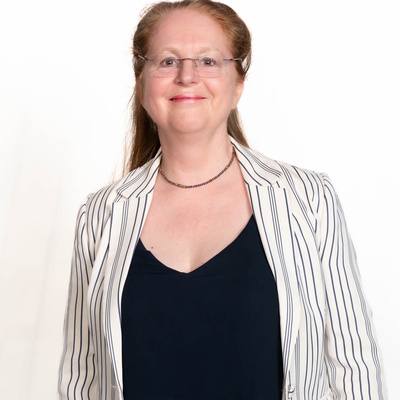
Gill Walker
International Speaker on CRM Strategy and Digital Transformation
Sydney, Australia
Actions
Most organisations invest heavily in CRM, yet many initiatives fail to deliver meaningful business results.
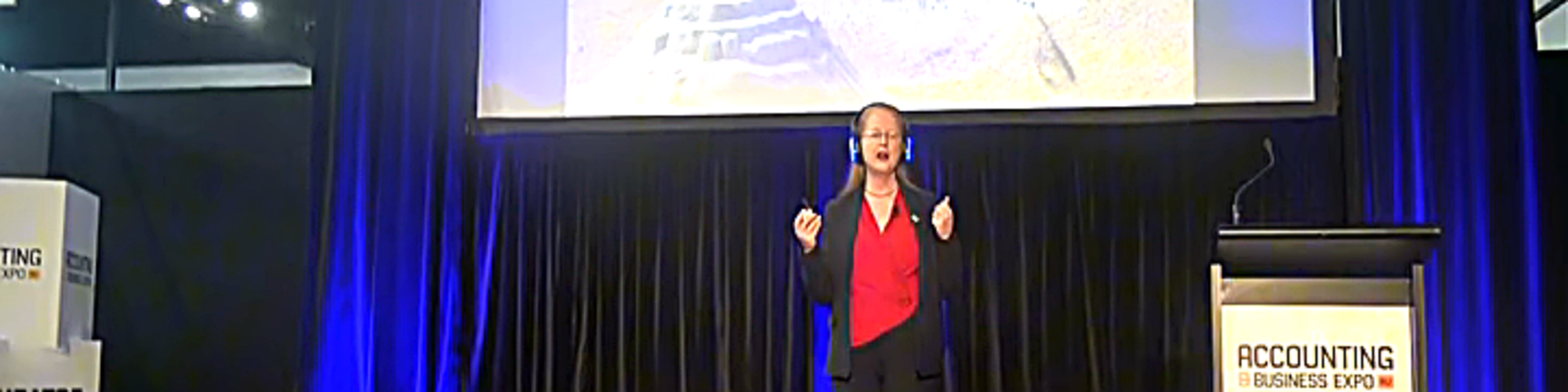
Gill Walker is an international speaker and CRM strategist who helps organisations turn CRM platforms into measurable business outcomes.
Gill has presented at international conferences, Microsoft community events, and leadership forums across Europe, Australia, and the Asia-Pacific region.
With more than two decades of experience across Microsoft Dynamics 365, Power Platform, and digital transformation programmes, she specialises in diagnosing why CRM initiatives fail and how leaders can realign people, process, and platform to deliver real value.
Her sessions combine real-world delivery experience, practical frameworks, and candid insights into the hidden mechanics of successful CRM programmes.
Area of Expertise
Topics
WORKSHOP: Why Microsoft Business Platforms Quietly Become More Expensive Than Expected
Microsoft business platforms rarely fail dramatically.
Instead, they become more expensive, harder to trust, and increasingly difficult to change.
Over time, workarounds emerge, reporting becomes inconsistent, governance struggles, automation fragments, and operational complexity accumulates across Dynamics 365, Power Platform, reporting, and analytics environments.
At the same time, organisations are rapidly introducing AI, Copilot, automation, and advanced analytics, sometimes as a response to these challenges, into environments that often lack clear operational ownership, sustainable design, trusted data, and aligned business processes.
This interactive workshop explores the operational, governance, and design patterns that cause Microsoft business platforms to become increasingly complex and expensive over time, despite the underlying technology being highly capable.
Using real-world implementation patterns, practical governance models, and facilitated participant exercises, participants will examine:
• why operational complexity accumulates,
• how hidden cost drivers emerge,
• why Agile increases the need for design rather than removing it,
• how spreadsheet culture and reporting mistrust develop,
• why AI amplifies existing operational conditions,
• how these patterns can be prevented during greenfield and transformation projects,
• and what organisations can do to recover platform trust and operational effectiveness when these conditions already exist.
Participants will apply the concepts directly to their own environments through structured diagnostic and planning activities, including:
• identifying operational friction and hidden cost drivers,
• assessing platform trust and governance maturity,
• evaluating AI readiness,
• recognising early warning signs of operational complexity,
• and prioritising practical improvement opportunities.
Participants will leave with practical frameworks, operational insights, and actionable next steps for improving governance, strengthening operational trust, and building Microsoft business platforms that remain sustainable, adaptable, and commercially effective over time.
This workshop is designed for consultants, architects, transformation leaders, delivery managers, platform owners, and organisations seeking to improve operational effectiveness across Microsoft business platforms, reporting, analytics, and AI initiatives.
Agile Doesn’t Remove the Need for Design
Agile delivery transformed Microsoft business platforms by increasing speed, flexibility, and responsiveness.
It also increased the consequences of weak operational understanding, governance, and design.
This session introduces the CADIO framework:
• Clarity,
• Awareness,
• Design,
• Implement,
• Optimise.
CADIO is a practical approach for balancing Agile delivery with intentional platform design and long-term operational sustainability.
The session explores why organisations unintentionally create complexity across Microsoft business platforms, even when every delivery decision appeared reasonable at the time.
One more Power App.
One more workflow.
One more automation.
One more dashboard.
One more exception.
One more integration.
Individually, these decisions often appear reasonable, pragmatic, and commercially justified.
Collectively, they can create platforms that become difficult to understand, govern, evolve, and optimise sustainably.
Using real-world implementation patterns and operational examples, participants will explore:
• why Agile increases the need for design rather than removing it,
• why organisations must first achieve clarity around operational outcomes and business processes,
• how understanding platform capability and “what good looks like” changes implementation decisions,
• why delivery velocity can outpace governance and architectural thinking,
• and how organisations can build Microsoft business platforms that remain scalable, adaptable, and commercially effective.
Participants will leave with practical insights and actionable approaches for:
• improving project and platform decision-making,
• balancing agility with governance and design discipline,
• and creating Microsoft business platforms that are easier to trust, evolve, and optimise.
Turning CRM into a Profit Engine
Most organisations treat CRM as a system of record.
But the most successful organisations use CRM as a profit engine.
When CRM is aligned with business processes and leadership priorities, it can increase customer retention, improve sales productivity, and dramatically increase customer lifetime value.
In this session CRM strategist Gill Walker explains how organisations move from simply storing customer information to using CRM as an active engine for growth.
Drawing on more than two decades of real-world CRM delivery, she explores the practical changes that turn CRM from an administrative burden into a platform that helps teams win more business and serve customers better.
Attendees will leave with a clear understanding of the leadership decisions, governance structures, and operating models that allow CRM platforms to deliver measurable commercial value.
This session is designed for executives, sales leaders, and transformation leaders responsible for CRM strategy and customer platforms.
It works well as a 30–45 minute conference session or a 60 minute keynote-style presentation.
The session is vendor-neutral and focuses on business outcomes rather than technology features.
Attendees leave with practical ideas for improving CRM usage, aligning CRM with revenue strategy, and increasing the measurable return on CRM investment.
Seven Steps to Successful CRM
CRM platforms promise better customer insight, improved sales performance, and stronger relationships.
Yet many CRM initiatives struggle to deliver the results organisations expect.
Why?
Because successful CRM requires more than technology.
It requires alignment between people, process, and platform.
In this practical session CRM strategist Gill Walker introduces a clear seven-step framework that leaders can use to guide CRM strategy, implementation, and optimisation.
Drawing on decades of CRM delivery experience, she explains the common mistakes organisations make and the leadership decisions that determine whether CRM programmes succeed or stall.
Attendees leave with a structured approach they can use to guide CRM initiatives and avoid the pitfalls that cause so many projects to fall short of expectations.
This session is designed for organisations implementing or optimising CRM platforms such as Microsoft Dynamics 365.
It is suitable for mixed audiences including executives, programme leaders, CRM owners, and transformation teams.
The talk works well as a 45–60 minute conference presentation or a 30 minute breakout session.
The focus is practical and vendor-neutral, emphasising governance, leadership alignment, and adoption rather than product functionality.
From Chaos to Clarity
Many CRM initiatives begin with strong intentions but gradually descend into confusion.
Processes become unclear, ownership blurs, priorities shift, and the system becomes increasingly difficult for teams to use.
The result is frustration for users and disappointing results for leaders.
In this session CRM strategist Gill Walker explores why CRM initiatives often drift into complexity and how organisations can restore clarity.
Using practical examples from real CRM programmes, she explains how leaders can regain control of scope, governance, and decision-making so that CRM becomes a platform that supports the business rather than slowing it down.
Attendees will gain practical insights into how to move teams from compliance to commitment and create CRM environments that people actually want to use.
This session is aimed at organisations that have already implemented CRM but are struggling with adoption, complexity, or governance.
It works well as a 30–45 minute conference session for digital transformation events, leadership forums, and CRM community conferences.
The session focuses on leadership decisions, operating models, and practical governance approaches rather than technology configuration.
Attendees leave with practical ideas they can apply to stabilise and improve existing CRM programmes.
Why CRM Projects Fail – Even When the Technology Works
𝘛𝘩𝘦 𝘏𝘪𝘥𝘥𝘦𝘯 𝘔𝘦𝘤𝘩𝘢𝘯𝘪𝘤𝘴 𝘰𝘧 𝘚𝘶𝘤𝘤𝘦𝘴𝘴𝘧𝘶𝘭 𝘊𝘙𝘔
Executives invest millions in CRM platforms, yet up to seventy percent of initiatives fail to deliver meaningful business results.
The problem is rarely the technology.
Successful CRM programmes depend on aligning people, process, and platform while managing the hidden complexity beneath the surface.
In this session CRM strategist Gill Walker reveals the frameworks leaders can use to diagnose whether their CRM sits in the Sweet Spot, High Stakes, Under-Powered, or the Money Pit.
This is the speaker's flagship session.
This is the speaker's flagship conference session.
This session is designed for executive and leadership audiences responsible for CRM, digital transformation, or customer platforms.
It works well as either a 45–60 minute conference presentation or a 20–30 minute breakout session.
The session is vendor-neutral and focuses on strategic alignment between people, process, and platform rather than product features.
Attendees leave with a practical diagnostic framework they can use immediately to assess whether their CRM sits in the Sweet Spot, High Stakes, Under-Powered, or the Money Pit.
The talk includes practical examples drawn from more than two decades of CRM delivery and transformation programmes.
Global Power Platform Bootcamp 2023 - Sydney Sessionize Event
NZ Business Applications Summit 2022 Sessionize Event
Microsoft BizApps Urdu Hindi Bootcamp 2022 - Hybrid Event Sessionize Event
Scottish Summit 2022 Sessionize Event
Cloud Lunch and Learn Marathon 2021 Sessionize Event
Please note that Sessionize is not responsible for the accuracy or validity of the data provided by speakers. If you suspect this profile to be fake or spam, please let us know.
Jump to top