

Haris Khurshid
International Speaker | Microsoft Certified Trainer (MCT) | Azure Cloud & Infrastructure Architect
Lahore, Pakistan
Actions
Haris Khurshid is a Senior Cloud Consultant at Systems Limited, Microsoft Certified Trainer (MCT), Cloud Architect, and international conference speaker with over 18 years of IT experience, including more than five years specializing in Microsoft Azure. He helps organizations design, migrate, secure, and optimize enterprise cloud environments, enabling successful digital transformation through Microsoft technologies.
Haris has led 15+ Azure migration engagements and delivered 10+ end-to-end cloud transformation projects for enterprise customers. He has also contributed to major enterprise cloud initiatives that supported his organization’s achievement of Microsoft Advanced Specialization, providing technical leadership, solution architecture, and hands-on expertise across complex customer implementations.
His technical expertise spans Azure Infrastructure, Azure Virtual Desktop (AVD), Azure Migrate, Azure Site Recovery (ASR), Azure Networking, Identity and Access Management, Cloud Security, Governance, Cost Optimization, Infrastructure as Code (Terraform and Bicep), and Azure Well-Architected Framework best practices.
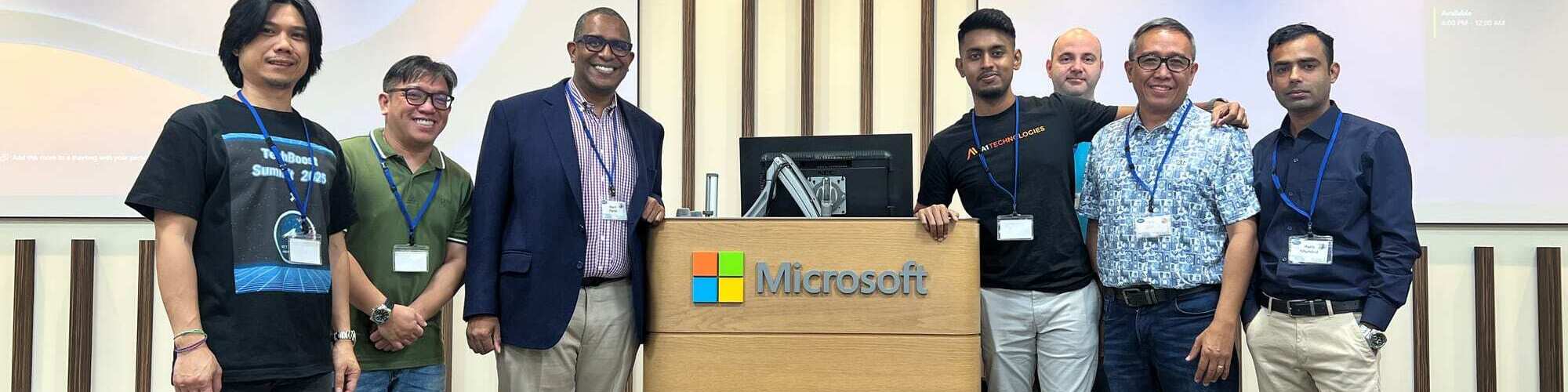
As a passionate educator and Microsoft Certified Trainer, Haris has delivered 100+ technical sessions, workshops, and bootcamps for IT professionals, enterprise customers, universities, and technology communities worldwide. He has represented Pakistan on international platforms, including speaking at the MCT Summit at Microsoft Headquarters in Tokyo, Japan, and the North America MCT Summit 2026.
Haris is known for delivering practical, engaging, and demo-driven sessions that connect Microsoft cloud concepts with real-world enterprise implementation. Drawing on his consulting experience, he shares proven architectures, implementation strategies, troubleshooting approaches, security best practices, and lessons learned from real customer engagements-giving attendees' practical insights they can apply immediately.
Whether speaking to cloud architects, IT professionals, developers, or technology leaders, Haris focuses on simplifying complex technologies and delivering actionable, high-impact learning experiences that empower organizations to build secure, scalable, resilient, and cost-effective solutions on Microsoft Azure.
Area of Expertise
Topics
Azure Migration Strategies: Choosing the Right Path with Azure Migrate and Azure Site Recovery
Migration to Azure involves more than just moving virtual machines. It’s about ensuring compatibility, performance, and business continuity. Depending on business objectives, organizations typically adopt one of three migration strategies:
• Rehost (Lift-and-Shift): Move workloads as-is with minimal configuration changes.
• Refactor: Slight modifications to make workloads more Azure-friendly.
• Rearchitect or Rebuild: Redesign for cloud-native architecture.
No matter which path you choose, a proper assessment of the existing environment is essential and that’s where Microsoft’s Azure Migrate and Azure Site Recovery (ASR) tools come into play.
Short introduction:
As organizations modernize their IT infrastructure, migrating workloads to Microsoft Azure has become a key step toward digital transformation. However, selecting the right migration path whether through Azure Migrate or Azure Site Recovery (ASR) depends heavily on your existing environment, accessibility, and administrative rights.
This article helps you understand when to use each tool and how to design an efficient, low-risk Azure migration strategy.
"Empowerment through Expertise: Unleashing the Potential as a Microsoft Certified Trainer"
In this session, we will be exploring the role of a Microsoft Certified Trainer (MCT) and how you can utilize your expertise to empower others and unlock their hidden potential. We will discuss the key responsibilities of an MCT, the benefits of certification, effective training strategies, and tips for continuous learning and growth. By the end of this session, you will be equipped with the knowledge and tools to make a meaningful impact as an MCT.
Agenda:
I. Introduction to the Microsoft Certified Trainer program
A. Understanding the MCT program and its benefits
B. Requirements and certification process
II. Key responsibilities of an MCT
A. Sharing knowledge and expertise with learners
B. Creating engaging and effective training sessions
C. Providing mentorship and guidance to students
III. Leveraging your expertise for empowerment
A. Recognizing the power of your certification
B. Inspiring and motivating learners to achieve their goals
C. Fostering a culture of continuous learning and growth
IV. Effective training strategies
A. Understanding various learning styles
B. Tailoring training sessions to meet diverse needs
C. Incorporating interactive and hands-on activities
V. Building a personal brand as an MCT
A. Establishing credibility and authority in your field
B. Leveraging social media and online platforms for visibility
C. Networking and collaborating with other experts in the industry
VI. Continuous learning and professional development
A. Staying updated with the latest Microsoft technologies and tools
B. Engaging in ongoing training and certifications
C. Seeking feedback and learning from the success of others
VII. Q&A Session
A. Addressing participants' questions, concerns, and insights
VIII. Conclusion and next steps
A. Recap of key takeaways from the session
B. Encouragement to apply the knowledge and skills gained
C. Resources for further learning and growth
Session Delivery:
The session will be conducted through a combination of presentation slides, interactive discussions, and real-life examples. Participants will have the opportunity to engage in group activities, ask questions, and share their experiences. The session will aim
Securing the Cloud: A Deep Dive into Best Practices
Introduction:
Welcome, everyone, to our session on Cloud Security Best Practices. As organizations increasingly embrace cloud computing, it's crucial to ensure the security of our digital assets. Today, we'll explore the key practices that can help fortify your cloud environment.
1. Multi-Factor Authentication (MFA):
Our first line of defense is Multi-Factor Authentication. By adding an extra layer beyond passwords, we significantly reduce the risk of unauthorized access. Whether it's a one-time code on your phone or a biometric scan, MFA adds that extra security layer.
2. Data Encryption:
Encrypting data at rest and in transit is non-negotiable. Utilize strong encryption algorithms to protect your sensitive information. This ensures that even if someone gains access to your data, it remains indecipherable without the proper keys.
3. Regular Audits and Monitoring:
Constant vigilance is key. Regularly audit your cloud environment, monitoring for any anomalies or suspicious activities. Automated tools can help you detect and respond to potential threats in real-time.
4. Identity and Access Management (IAM):
IAM is about controlling who has access to what. Implement the principle of least privilege—grant users and systems only the minimum level of access they need to perform their tasks. This significantly reduces the attack surface.
5. Secure APIs:
As more services interact via APIs, securing them is paramount. Employ strong authentication and authorization mechanisms for your APIs. Regularly audit and update API security policies to stay ahead of emerging threats.
6. Disaster Recovery Planning:
Hope for the best, but prepare for the worst. Have a robust disaster recovery plan in place. Regularly test your backups and ensure you can quickly and effectively restore your systems in the event of a security incident.
7. Vendor Security:
If you're using third-party services or tools, ensure your vendors meet stringent security standards. Regularly assess their security practices and have clear contractual agreements regarding data protection and incident response.
8. Employee Training:
Your team is your first line of defense. Train them regularly on security best practices, phishing awareness, and the importance of strong password management. An informed team is a secure team.
Conclusion:
Securing the cloud is an ongoing process that demands attention to detail and a proactive mindset. By adopting these best practices, you're not just safeguarding your data; you're building a resilient and secure digital infrastructure for the future.
Thank you for joining our session on Cloud Security Best Practices. Stay secure, stay vigilant!
Please note that Sessionize is not responsible for the accuracy or validity of the data provided by speakers. If you suspect this profile to be fake or spam, please let us know.
Jump to top