
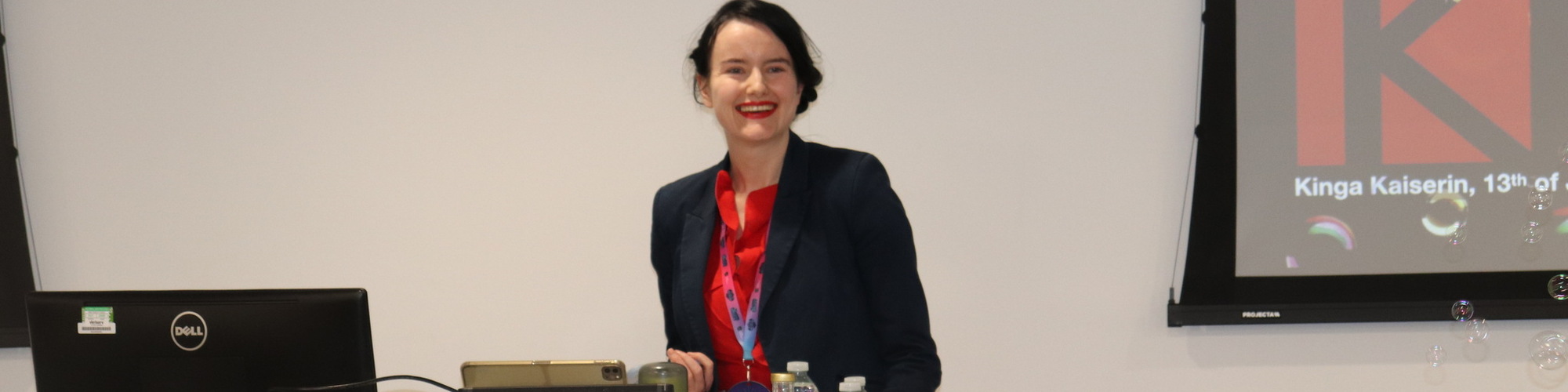

My LinkedIn Profile Picture Is a Deepfake – Yours Should Be, Too.
The session aims to educate the public – both seasoned professionals and non-technical audiences – on the real threat landscape of deepfakes. Majority of the news stories cover the risk posed to politicians and celebrities’ reputations. However, this is marginal use – over 90% of deepfakes (depending on the source, 94-99%) on the Internet is non-consensual porn, which disproportionately affects women. The rest is identity theft, and only small percentage is memes and “fake news.” They are used for blackmail, revenge and extortion. They are here to stay; however, with change of attitudes towards the threat we can lessen the impact they have on our colleagues, family and us.
The session aims to explain:
A very brief history of the deepfakes – they are much older than ChatGPT craze, with press articles coming out as early as 2018.
What technologies are available: nudifying apps, face swapping, video-calling. If allowed, I’d like to list actual names – I want people to know exactly what these are and how easily available they can be. I also want the attendees to be able to verify my words, as opposed to trusting me blindly.
Possible uses: revenge porn, extortion, blackmail, identity theft, scams.
What technologies will unfortunately need to be less relied on due to the scale of the problem (e.g. verifying identity online, online meetings) and what to do instead.
Current law on deepfakes and revenge porn in the UK and the US – many people may be surprised how the use of deepfakes is not inherently illegal. The approach varies in many jurisdictions. I will also explore potential legal solutions and, time permitting, how other countries aim to address the problem. Current research and possible future developments will also be explored.
The attendees will learn:
Strategies for private citizens, including, but not limited to:
Social media considerations (e.g. whether to publish pictures at all, pictures of children)
The ideas on how to communicate safely (e.g. asking questions the impostor would not know the answer to)
How to use deepfakes to be able to post one's pictures publicly without the risk of them being abused (what I did)
Whether apps such as Fawkes or watermarks etc, can protect one's photos from being used in deepfakes
What to do if they fall victim of deepfake or identity theft and how to support victims close to them
Strategies for business entities, for example:
How to verify the veracity of allegations and video evidence (deepfake detectors + their limitations)
How to shape policy to minimise the chance of image abuse and ensure accountability
Supporting employees who were targeted
How to use simple tactics (e.g. secret phrases) to verify the caller's identity
What areas of business are likely to be impacted and how to proactively mitigate the risk.
The most important takeaway is that scepticism and ongoing open discussion is the way to go. People got used to the existence of Photoshop and stopped blindly (pun unintended) believing the photos they saw. They now need to get accustomed to the existence of deepfakes, esp. live, and stop believing videos and video calls. That way, the impact of that technology is lessened.
Please note that Sessionize is not responsible for the accuracy or validity of the data provided by speakers. If you suspect this profile to be fake or spam, please let us know.
Jump to top