
Session
Built for Everyone, Designed for Almost No One: Who AI Products Leave Behind
AI products are often presented as universal tools, but many are designed around a narrow imaginary user: technically confident, verbally precise, cognitively unburdened, and able to recognize when the system is wrong.
Real users may be aging, disabled, overwhelmed, grieving, frightened, distracted, unfamiliar with technology, or making decisions under pressure. These are often the people who could benefit most from AI, yet they are also the people most likely to be excluded by unclear interfaces, uncertain outputs, inaccessible workflows, and products that quietly transfer verification back to the user.
Drawing from her experience building consumer safety technology after her mother was targeted by a sophisticated scam, Cat Karow examines how AI systems fail when they are designed for capability rather than real human conditions.
Attendees will learn how to identify hidden assumptions in AI experiences, design for users with different levels of confidence and capacity, and build products that remain useful when life is messy, stressful, and deeply human.
Small Print
Session Type: AI / Product Design / Accessibility / Human-Centered Technology
Audience: Developers, product managers, designers, founders, AI practitioners, accessibility professionals, technical leaders, and anyone responsible for building technology for broad audiences.
Technical Level: Beginner to Intermediate
Preferred Format: 45-minute presentation plus 15-minute Q&A
Attendee Takeaways:
Identify the “ideal user” assumptions embedded in AI products
Evaluate how cognitive load, stress, disability, age, and technical confidence affect AI usability
Design clearer confidence signals, recovery paths, escalation options, and safer defaults
Recognize when an AI product is shifting complexity and risk back onto the user
This is a vendor-neutral educational session. It does not promote a product or service.
First Public Delivery: New for 2026–2027
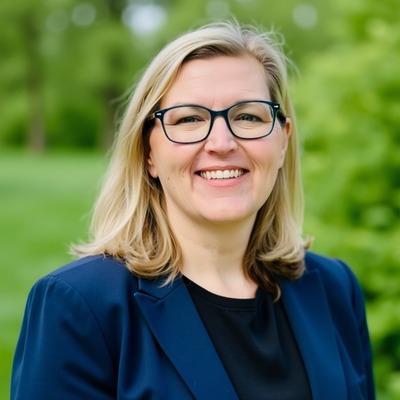
Catherine (Cat) Karow
Cat Karow built security for Apple, the White House, and Fortune 100s. Then her mom got scammed, and she discovered the next cybersecurity frontier wasn't infrastructure. It was human beings.
Jacksonville, Florida, United States
Links
Please note that Sessionize is not responsible for the accuracy or validity of the data provided by speakers. If you suspect this profile to be fake or spam, please let us know.
Jump to top