
Session
Nobody Wants the Skeptic in the Room (Until the AI Goes Wrong)
Every organization racing to adopt AI has a version of the same person. They ask what happens when the model is wrong. They want to know who is accountable. And they won’t let a vague answer slide. Somewhere along the way they get labeled “resistant to change,” “not a team player,” or “a blocker.” Their invitations to weigh in disappear and the project moves on without them.
This talk argues that this is one of the expensive and dangerous mistakes an enterprise can make. In many organizations, the so-called resister is the only person doing real risk management. When we sideline the curious skeptic, we lose the early warning system exactly when AI is moving into high-stakes territory like money, health and employment. This resistance to counter-culture does not just apply to AI. Hence why your curious skeptic is a key player in your company’s decisions.
UX and product professionals and like to say our job is to advocate for the user. That is not enough anymore. The harder job is to be the person who pushes back: on the timeline, the confidence of the decisions, the success metric and the “human in the loop” who is really there for show. This skepticism is uncomfortable for sure. And it can be career-limiting if you do it badly.
This is not a talk about being the loudest dissenter in the room. It separates the curious skeptic from the cynic and the permanent blocker. There’s a real difference between asking hard questions and making every meeting about your doubts and fears. Jen shares practical tactics for pushing back in a way that is tactful, respectful and influential. And in a way that lets you keep your job and your credibility. Her examples draw on working an AI-powered financial experience and her research background where skepticism is a professional discipline, not a personality flaw.
Leaders say they want critical thinking, then reward momentum. Attendees will see how to build skepticism into the operating model through pre-mortems, decision logs, documented dissent and kill criteria. That way, doubt doesn’t depend on one brave person with a high tolerance for awkward silence.
Attendees leave with language, tactics and frameworks. People will know how to be the skeptic without getting sidelined. How to protect the skeptic on their team. And how to make the case that the person slowing down the AI rollout may be the reason it survives.
Talk outline
• The Skeptic Gets Managed Out. How a person asking good questions turns into a “culture problem.”
• Curious Skeptic, Cynic, or Blocker? What separates useful doubt from performative negativity and how to check which one you are.
• What Organizations Lose When They Sideline Doubt. Why momentum, fear of missing out and incentives push skeptics out.
• Advocating for the User Isn’t Enough. The UX and product role as the one who pushes back: on timelines, confidence, metrics and gathering evidence to move forward.
• How to Be the Skeptic and Keep Your Job. Tactics for tactful, respectful, influential pushback.
• Building Space for Dissent. Structural fixes any team can try.
• For Leaders: Keep Your Skeptic. How to tell if you’re rewarding agreement over accuracy. And what to say and do differently.
• A challenge to the audience: name the skeptic on your team, and decide this week whether you’re protecting them or managing them out.
Four key takeaways
• A clear distinction between the curious skeptic, the cynic and the blocker. That way you can own the perception first without becoming the “trouble maker.”
• A toolkit of specific tactics for pushing back on AI decisions in a way that is respectful, influential and career-safe.
• Practical structures that make skepticism part of how the organization operates.
• A stronger case for leaders: the person asking “what if it’s wrong?” is risk management, not resistance.
Why Jen Blatz is qualified
Jen Blatz researches an AI-powered financial experience. She sees daily how trust, uncertainty and failure play out when real people make decisions with AI. She has had to be the curious skeptic several times in tough conversations. And she has navigated the tension between enthusiasm for the technology and the need to question it. She is trained to treat skepticism as a professional discipline, which have taught her to push back in ways that keep her credible and in the room.
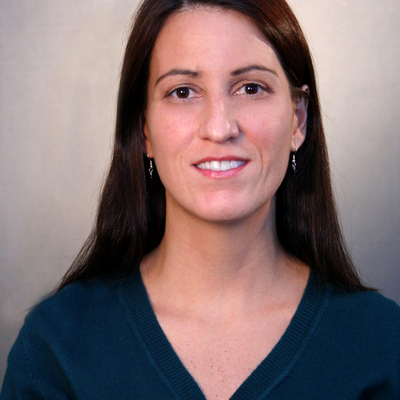
Jennifer Blatz
UX Researcher, Strategist and Community Builder
Dallas, Texas, United States
Links
Please note that Sessionize is not responsible for the accuracy or validity of the data provided by speakers. If you suspect this profile to be fake or spam, please let us know.
Jump to top