
Session
Storytelling Is Manipulation. Use It Anyway.
The moment someone decides what evidence to include, what order to present it in and what recommendation to make, they are shaping interpretation. This is manipulation in the literal sense: arranging material to produce understanding and action. The ethical problem is not that storytelling influences people. It’s whether that influence clarifies reality or distorts it.
This talk replaces vague encouragement to “tell a story” with a transparent model for ethical persuasion. Attendees will examine the narrative choices embedded in research reports, dashboards, executive readouts and strategy decks, and learn to distinguish responsible from deceptive framing. The session demonstrates how the same dataset can be made alarming, reassuring, urgent or irrelevant through selection and structure alone.
A practical framework helps you build compelling narratives without pretending the evidence is cleaner than it is: start with the decision, define the stakes, show the strongest evidence, acknowledge what complicates the story and make recommendations proportional to confidence. The talk also covers common abuses, including cherry-picking quotes, skewing data, hiding base rates, turning anecdotes into prevalence claims and using polished visuals to imply certainty. It also emphasizes storytelling across quantitative and qualitative research and how the two methods complement each other.
Attendees leave not with permission to manipulate recklessly, but with a higher standard: acknowledge the persuasive choices, expose the uncertainty and design a story the evidence can survive.
Talk Outline
• The uncomfortable premise: all presentation is selection and framing
• How narratives change interpretation without changing the underlying data
• The importance of marrying qual and quant data
• The ethics test: proportionality, traceability, uncertainty, counterevidence, consequence
• A responsible story structure: decision, stakes, evidence, tension, recommendation
• Live reframing examples and a red-flag checklist for deceptive storytelling
Four Key Takeaways
• An deep dive in to the importance of storytelling as purposeful framing.
• A multi-question ethics test for evidence-based narratives.
• Specific warning signs for problems in storytelling and how to correct.
• A repeatable structure for persuasive, decision-ready research presentations.
Why Jen Blatz Is Qualified to Speak on This Topic
Jen Blatz is a Principal Experience Researcher with more than a decade in UX research and earlier experience in UX design and graphic design. She regularly translates complex evidence into practical decisions for product leaders and speaks at UX and industry conferences, giving her both the practitioner depth and presentation experience to make this topic credible and useful. Jen has seen data fall flat and drive decisions, all due to poor communication and storytelling. She knows how important it is to tell a compelling story and wants attendees to feel to feel confident in doing so as well.
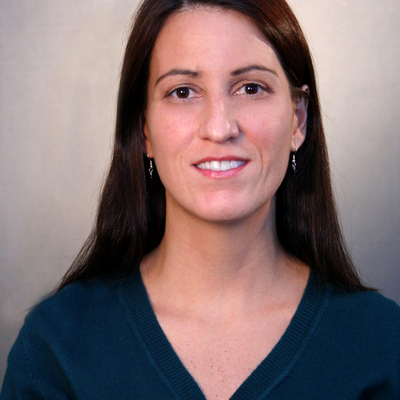
Jennifer Blatz
UX Researcher, Strategist and Community Builder
Dallas, Texas, United States
Links
Please note that Sessionize is not responsible for the accuracy or validity of the data provided by speakers. If you suspect this profile to be fake or spam, please let us know.
Jump to top