
Session
Partitioning for Performance: Automating the Detach and Cleanup Cycle
Migrating from Oracle to PostgreSQL often reveals unexpected architectural contention, particularly regarding global indexes and constraint enforcement. In a system processing 20–25 million daily transactions, these differences can quickly lead to index bloat and I/O spikes if you rely on traditional monolithic tables.
This session walks through a move to a range-partitioned architecture designed for high-volume data aging. We will explore how range partitioning improved performance by 60% and why replacing heavy DELETE operations with a detach-and-drop lifecycle is essential for pruning data without locking overhead.
We will also dive into the critical "aftercare" of these operations: using VACUUM and ANALYZE to manage system catalogs and ensure the planner stays accurate after large-scale data removal. By the end of the talk, you’ll see the real-world results of this strategy—including a 70% reduction in buffer cache pressure—and walk away with a practical blueprint for keeping high-growth databases manageable.
Technical Requirements:
1. Standard conference room setup with projector/HDMI connection.
2. Ability to display SQL code, architecture diagrams, and EXPLAIN ANALYZE output.
3. No additional hardware required.
4. Optional: Wi-Fi access for demonstrating query plans (not mandatory).
First Public Delivery:
This session has not been delivered publicly before. It is based on real production implementations and internal engineering work. PGDATA 2026 will be the first public presentation of this material.
Target Audience:
1. PostgreSQL DBAs and database engineers
2. Data platform architects
3. Application engineers working with large transactional workloads
4. Teams migrating from Oracle to PostgreSQL
5. Anyone responsible for system performance, data lifecycle management, and partition maintenance in high-volume environments
Session Takeaways:
1. How to design efficient range-based partitions for time-series or fast-growing datasets
2. How to compare Oracle and PostgreSQL partitioning behaviors when planning migrations
3. Real-world performance gains from partition pruning and correct indexing strategies
4. How to safely remove partitions using the detach-and-drop method with zero downtime
5. Operational templates and partition lifecycle management best practices
Preferred Session Duration:
Ideal length: 45 minutes
Alternate formats also supported:
25-minute short talk (condensed version)
60–90-minute deep-dive workshop (expanded version with demos)
Prerequisite Knowledge (Suggested but Not Required):
1. Basic familiarity with PostgreSQL tables, indexes, and query plans
2. Understanding of transactional data patterns and retention requirements
3. Optional: prior experience with Oracle partitioning (helpful for comparison section)
Session Type & Style:
1. Technical, highly practical, example-driven presentation
2. No vendor pitching or product tie-ins
3. Real SQL examples, real performance numbers, and real operational challenges solved
Related Conferences Where This Topic Fits:
1. PGConf US
2. Postgres Build
3. POSETTE (formerly Citus Con)
4. Data Saturday events
5. AWS Summit / Azure Data Community Meetups (for cloud migration relevance)
6. Enterprise Postgres user groups
(This proposal is uniquely tailored for PGDATA 2026 but aligns well with the above audiences.)
Recording & Sharing:
This session may be recorded and shared publicly. All examples are anonymized and do not contain confidential or proprietary data.
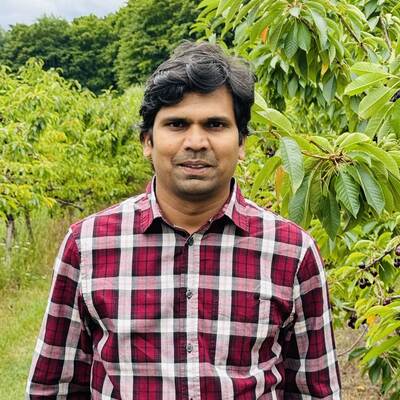
Naresh Reddy Regalla
Cloud Solution Architect and Business Process Management Workflow Strategist
Chicago, Illinois, United States
Links
Please note that Sessionize is not responsible for the accuracy or validity of the data provided by speakers. If you suspect this profile to be fake or spam, please let us know.
Jump to top