
Session
Node.js Performance in 2026 - Where We Are and What’s Next
Node.js performance evolves quickly, but understanding what actually improves in practice is not always straightforward. This talk is based on my personal State of Node.js Performance series, where I analyze performance changes across Node.js releases using reproducible and data-driven approaches.
The session explores Node.js performance from several angles, including internal microbenchmarks, core subsystems such as the file system, streams, async primitives, and networking, as well as commonly used user-land libraries and HTTP frameworks. It shows how changes in Node.js and V8 translate into real differences in throughput, latency, and scalability under realistic workloads.
A strong emphasis is placed on methodology. The talk explains how benchmarks are designed, executed, and validated using dedicated hardware, controlled environments, and statistical techniques to avoid misleading conclusions. It also covers common benchmarking pitfalls and how to interpret results responsibly.
The talk closes with insights into ongoing and upcoming initiatives within the Node.js project that are likely to influence performance in the near future, helping teams make informed decisions when upgrading or tuning their applications.
Based on my personal State of Node.js Performance series, this talk looks at how Node.js performance changes over time in a practical and approachable way. We explore core features, popular libraries, and HTTP frameworks, focusing on what really affects throughput and latency in real applications. The session also shares how to run reliable benchmarks and how to read performance results with confidence, ending with a look at what’s coming next for Node.js performance
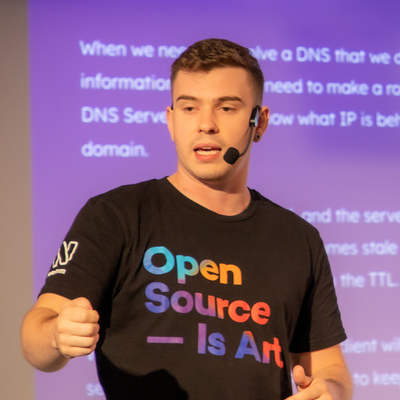
Rafael Gonzaga
NodeSource, Principal Open Source Engineer
São Paulo, Brazil
Links
Please note that Sessionize is not responsible for the accuracy or validity of the data provided by speakers. If you suspect this profile to be fake or spam, please let us know.
Jump to top