
Session
Your Tests Pass. Does Anyone Understand the Code?
Your tests pass. The code compiles. The pull request looks clean. But can anyone on the team explain why it works?
A common failure pattern starts with AI-generated code that has good naming, full coverage, and every check green. It is approved quickly. Months later, the module breaks and nobody can explain its design decisions because the intent lived in an AI conversation that was never preserved.
This is not only a hypothetical risk. In a randomized study of 52 developers learning a new library, the AI-assisted group did not finish significantly faster and scored 17% lower on a follow-up comprehension test. The strongest AI users asked conceptual questions and deliberately rebuilt their understanding instead of delegating the entire task.
This session examines how AI-authored code fails differently: plausible duplication, hidden assumptions, unnecessary abstractions, brittle tests, and lost intent. Through a pull-request review exercise, we will expose these failure modes and apply a practical comprehension checklist.
Attendees will leave able to identify AI-specific review risks, preserve the reasoning behind implementation decisions, and make explainability an explicit quality signal before code is merged.
AI can help write the code. Your team still needs to understand it.
Audience: Software engineers, reviewers, and engineering leaders using AI coding tools.
Format: 45–60-minute evidence-driven talk with a pull-request review exercise.
Demo: Review an illustrative AI-authored module, expose five failure modes, and apply a comprehension checklist.
Research: Anthropic’s randomized developer study: https://www.anthropic.com/research/AI-assistance-coding-skills
Materials: Talk-specific checklist, slides, and recording are not yet published.
Vendor scope: Vendor-neutral.
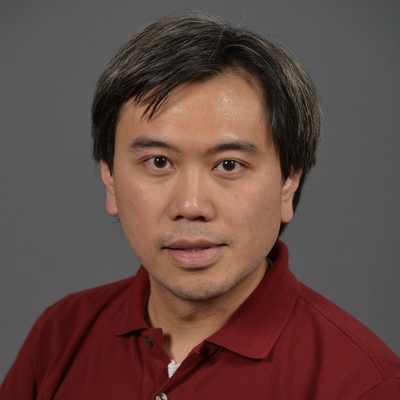
Ron Dagdag
Microsoft MVP / Research Engineering Manager @ Thomson Reuters
Fort Worth, Texas, United States
Links
Please note that Sessionize is not responsible for the accuracy or validity of the data provided by speakers. If you suspect this profile to be fake or spam, please let us know.
Jump to top