
Session
Organisational Dysfunctions: It Is Not the People, it Is the Structure
Most organisations are aware of their dysfunctions, at least people at the lower echelons. We have all been in meetings that produce next to nothing, decisions that people keep waiting for, smart people who stop engaging, and change initiatives that people lose faith in.
We scratch our heads and wonder why this keeps happening over and over again.
In this talk, we will treat the dysfunctions as symptoms rather than problems to be fixed. Instead of better culture, better tools, or better leadership, we will find the systemic, structural problems that produce them. The way work is organised defines what people can do, what they can learn, and how they interact. We will look at what bureaucratic structures actually do to us and how badly they deal with a world that changes in unpredictable ways
The way out of this mess is not to employ a new methodology or even a reorganisation. It is about employing a different design principle. One with fifty years of evidence behind it, and a participative process for getting there that does not embed the bureaucracy further, but removes it.
This presentation is based on my self-published book on LeanPub "Organisational Dysfunctions: Open Systems Theory Explains"
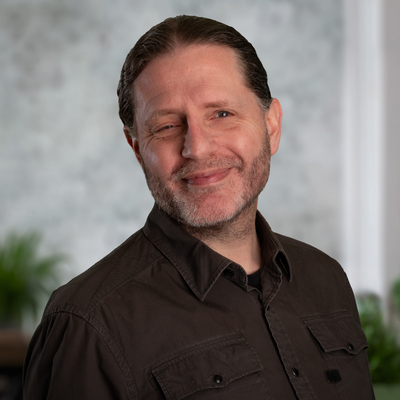
Trond Hjorteland
Senior IT Consultant and sociotechnical practitioner.
Oslo, Norway
Links
Please note that Sessionize is not responsible for the accuracy or validity of the data provided by speakers. If you suspect this profile to be fake or spam, please let us know.
Jump to top