
Session
Closing the Geospatial Gap in Cybersecurity
Every enterprise security stack has a blind spot: location. While organizations invest heavily in endpoint detection, SIEM correlation, and threat intelligence feeds, adversaries are exploiting geospatial attack vectors such as GPS spoofing, cellular tower hijacking, and geofenced malware that traditional IP-based attribution methods simply cannot see. Standard IP geolocation achieves roughly 61% accuracy in identifying attack origins, leaving defenders guessing about the geographic dimension of threats targeting their critical infrastructure.
This talk presents the architecture, implementation, and measurable results of a Geospatial Threat Intelligence Platform I built and deployed in production for financial services infrastructure protection. The system fuses GPS telemetry, cellular triangulation (Wi-Fi + cell tower), and network flow data through a multi-stage pipeline that correlates cyber indicators of compromise with precise geographic coordinates—achieving 94.3% accuracy in geographic threat attribution, a 33-percentage-point improvement over industry baselines.
I will walk attendees through four technical pillars of the system:
(1) Geospatial Signal Ingestion and Fusion
(2) The Geospatial Cyber Kill Chain Analysis Engine
(3) Real-Time Threat Attribution Pipeline
(4) Integration with Enterprise Security Infrastructure
Attendees will leave with documented architectural patterns, specific algorithm choices with performance benchmarks, and a practical evaluation framework they can apply to assess whether geospatial intelligence would strengthen their own security posture. The session includes a live demonstration of geographic threat clustering detection using anonymized production data.
This talk bridges a gap that few practitioners are addressing: the intersection of geospatial AI and cybersecurity. With the NGA projecting a tripling of geospatial data in the next five years and CISA identifying location-based infrastructure protection as a strategic priority, this capability is moving from novel to essential.
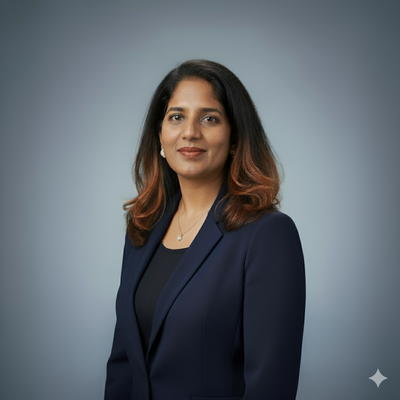
Tuesay Singh
Deloitte Consulting, AI Engineering as a Service
San Francisco, California, United States
Links
Please note that Sessionize is not responsible for the accuracy or validity of the data provided by speakers. If you suspect this profile to be fake or spam, please let us know.
Jump to top