
Hoang Tu Trinh
Software Engineer (Backend, in Training) at Grab | Hackathon Hunter & AI Researcher
Kỹ sư phần mềm (Backend, đang được đào tạo) tại Grab | Nghiên cứu sinh chưa tốt nghiệp & Thợ săn Hackathon Công nghệ
Ho Chi Minh City, Vietnam
Actions
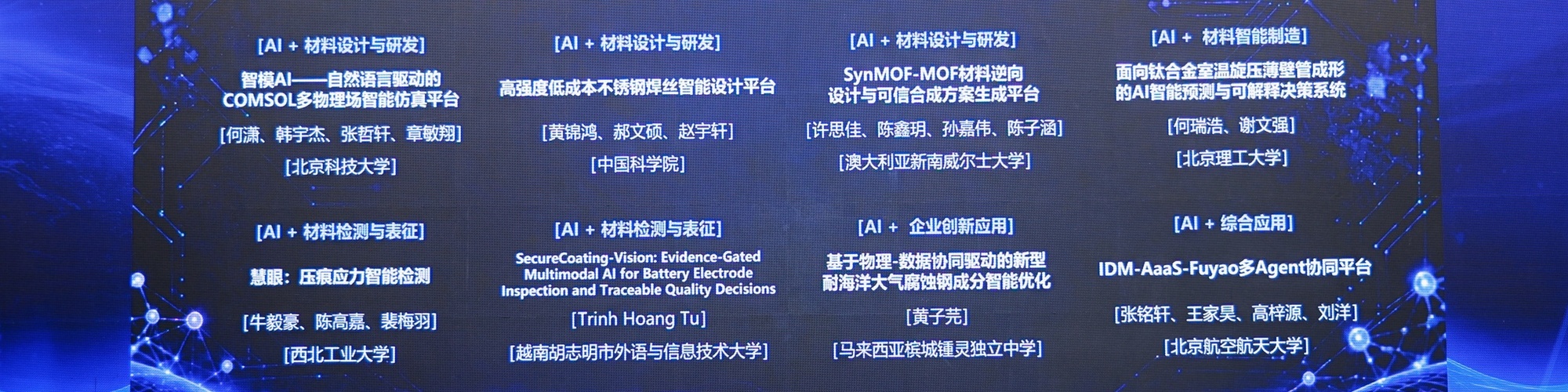
Trinh Hoang Tu is a Cybersecurity student at HUFLIT and a Software Engineer (in Training) at Grab, working on large-scale backend systems. Passionate about distributed systems and applied AI, he has participated in 35+ hackathons and received an Excellence Award at Tsinghua University's Global AI Competition 2026. He is the first author of a research paper accepted at SOICT 2026. the first author of an accepted paper at RIVF 2026 and the second author of another accepted at CSoNet 2026. His technical interests include event-driven microservices, cloud-native infrastructure, and real-time data processing.
Trịnh Hoàng Tú là sinh viên chuyên ngành An ninh mạng tại HUFLIT, hiện đảm nhiệm vị trí Kỹ sư Phần mềm (Backend, đang trong chương trình đào tạo) tại Grab, tham gia phát triển các hệ thống backend quy mô lớn. Với kinh nghiệm tham gia hơn 35 cuộc thi và hackathon công nghệ, Tú đã đạt Giải Xuất sắc tại Cuộc thi Đổi mới Ứng dụng AI và Vật liệu Toàn cầu 2026 do Đại học Thanh Hoa tổ chức. Trong lĩnh vực nghiên cứu khoa học, Tú là tác giả đứng đầu của công trình được chấp nhận tại SOICT 2026, là tác giả đứng đầu tiếp theo của công trình nghiên cứu tại RIVF 2026 và đồng tác giả thứ hai của công trình được chấp nhận tại CSoNet 2026. Định hướng chuyên môn của Tú tập trung vào hệ thống phân tán, kiến trúc microservices hướng sự kiện, hạ tầng cloud-native và xử lý dữ liệu thời gian thực phục vụ các ứng dụng trí tuệ nhân tạo.
Badges


Area of Expertise
Topics
Beyond Model Accuracy: Evidence-Gated AI for Reliable Industrial Material Inspection en vi
In industrial material inspection, high model accuracy does not necessarily guarantee reliable decisions. What happens when an AI system produces a confident prediction but lacks sufficient visual evidence to support it?
This lightning talk introduces SecureCoating-Vision, a research prototype exploring evidence-gated AI for electrode coating inspection. By combining visual detection, segmentation, and evidence-based decision logic, the system distinguishes between inspection results that have sufficient supporting evidence and those that should be held for further review.
Through a practical inspection example, the session explores uncertainty handling, conservative decision-making, and lessons learned from developing AI-assisted inspection workflows.
The central message: reliable industrial AI is not just about predicting accurately, but also about knowing when not to make an automated decision.
Selected session: APAC AI for Science DevFest 2026, organized by Google Researcher Groups.
Format: 10-minute Lightning Talk / Demo.
Event dates: November 27–28, 2026.
Target audience: AI/ML engineers, applied AI researchers, computer vision practitioners, and industrial AI enthusiasts.
Technical level: Intermediate. No special software or equipment required.
The presentation covers an experimental research prototype, not a production deployment.
Vượt ra ngoài độ chính xác mô hình: AI kiểm chứng bằng bằng chứng cho kiểm tra vật liệu công nghiệp en vi
Trong kiểm tra vật liệu công nghiệp, độ chính xác cao của mô hình AI không đồng nghĩa với việc mọi quyết định đều đáng tin cậy. Điều gì xảy ra khi một hệ thống AI đưa ra dự đoán với độ tin cậy cao nhưng thiếu bằng chứng trực quan đủ mạnh để hỗ trợ kết luận đó?
Bài trình bày giới thiệu SecureCoating-Vision, một nguyên mẫu nghiên cứu ứng dụng AI với cơ chế kiểm chứng bằng chứng (evidence gating) trong kiểm tra lớp phủ điện cực.
Bằng cách kết hợp phát hiện đối tượng, phân đoạn hình ảnh và logic ra quyết định dựa trên bằng chứng, hệ thống phân biệt những kết quả có đủ cơ sở hỗ trợ với những trường hợp cần tạm giữ để xem xét thêm.
Thông qua một ví dụ kiểm tra thực tế, bài nói thảo luận về cách xử lý sự không chắc chắn, ra quyết định thận trọng và những bài học từ quá trình phát triển hệ thống AI hỗ trợ kiểm tra công nghiệp.
Thông điệp cốt lõi: AI công nghiệp đáng tin cậy không chỉ cần dự đoán chính xác mà còn phải biết khi nào chưa nên tự động đưa ra quyết định.
Phiên trình bày được lựa chọn cho APAC AI for Science DevFest 2026, do Google Researcher Groups tổ chức.
Hình thức: Lightning Talk / Demo, 10 phút.
Thời gian sự kiện: 27–28/11/2026.
Đối tượng: Kỹ sư AI/ML, nhà nghiên cứu AI ứng dụng, người làm thị giác máy tính và AI công nghiệp.
Mức độ kỹ thuật: Trung cấp. Không yêu cầu cài đặt phần mềm hoặc thiết bị đặc biệt.
Nội dung giới thiệu nguyên mẫu nghiên cứu, không phải hệ thống đã triển khai trong môi trường sản xuất.
Zero-Waste GPU Inference Pipelines for Multi-Camera AI Systems en vi
Running AI inference for large-scale camera systems often leads to massive GPU waste because each service performs redundant detection and processing on the same frames.
This talk presents a real-world architecture for building a zero-waste AI video pipeline using an event-driven design. Instead of repeating expensive inference, a single “master detector” processes frames once and publishes structured metadata through Redis Streams, allowing downstream services to reuse results for tasks such as license plate recognition, face recognition, and identity fusion.
We will explore how shared memory buffers, distributed consumers, and event streaming enable scalable multi-camera processing while dramatically reducing GPU load. The session covers architectural decisions, performance trade-offs, and lessons learned when operating AI video systems in production environments.
• Target Audience: Backend Engineers, DevOps, AI Infrastructure Engineers, System Architects.
• Core Tech Stack: Redis Streams, Python, C++, Shared Memory, GPU Inference, Docker.
Xây dựng Hạ tầng Xử lý AI Tối ưu hiệu suất GPU cho Hệ thống Multi-Camera en vi
Việc vận hành mô hình AI để xử lý dữ liệu camera quy mô lớn thường gây lãng phí tài nguyên GPU rất lớn do các dịch vụ độc lập phải lặp lại các bước phát hiện (detection) và xử lý trùng lặp trên cùng một khung hình.
Bài chia sẻ này giới thiệu một kiến trúc thực tế giúp tối ưu hóa hạ tầng xử lý video AI thông qua mô hình hướng sự kiện (event-driven). Thay vì lặp lại các tác vụ inference đắt đỏ, hệ thống sử dụng một "master detector" để xử lý khung hình một lần duy nhất, sau đó phân phối siêu dữ liệu cấu trúc (structured metadata) qua Redis Streams. Nhờ vậy, các dịch vụ hạ nguồn (downstream) có thể tái sử dụng dữ liệu này cho các bài toán chuyên biệt như nhận diện biển số xe, nhận diện khuôn mặt và đồng bộ danh tính (identity fusion).
Chúng ta sẽ cùng đào sâu vào cách kết hợp giữa bộ nhớ chia sẻ (shared memory buffers), kiến trúc phân tán (distributed consumers) và luồng sự kiện (event streaming) nhằm mở rộng hệ thống đa camera trong khi giảm tải tối đa cho GPU. Bài thuyết trình cũng đề cập đến các quyết định thiết kế kiến trúc, đánh giá đánh đổi hiệu năng (performance trade-offs) và bài học thực chiến khi vận hành hệ thống video AI trong môi trường production.
• Target Audience: Backend Engineers, DevOps, AI Infrastructure Engineers, System Architects.
• Core Tech Stack: Redis Streams, Python, C++, Shared Memory, GPU Inference, Docker.
APAC AI for Science DevFest 2026 Upcoming
APAC AI for Science DevFest 2026 is an international AI for Science event organized by Google Researcher Groups (formerly GDG AI for Science), bringing together researchers, engineers, and developers across the Asia-Pacific region.
My Session: Beyond Model Accuracy: Evidence-Gated AI for Reliable Industrial Material Inspection
Date: November 28, 2026
Time: 11:30–11:40 AM (UTC+7)
Format: Lightning Talk / Demo (10 minutes)
This session introduces SecureCoating-Vision, an AI-assisted industrial material inspection prototype that received an Excellence Award at the Global AI + Materials Innovation Application Competition 2026 at Tsinghua University.
The talk explores how evidence-gated decision logic combines computer vision predictions with supporting operational evidence to produce PASS, REJECT, or HOLD outcomes. It focuses on trustworthy AI system design, fail-closed decision-making, and practical engineering lessons rather than claims of production deployment.
Speaker: Trinh Hoang Tu
Affiliations: Grab; HUFLIT
Official Session: https://gdgaiforscience.github.io/devfest-program/#trinh-hoang-tu
Hoang Tu Trinh
Software Engineer (Backend, in Training) at Grab | Hackathon Hunter & AI Researcher
Ho Chi Minh City, Vietnam
Actions
Please note that Sessionize is not responsible for the accuracy or validity of the data provided by speakers. If you suspect this profile to be fake or spam, please let us know.
Jump to top